
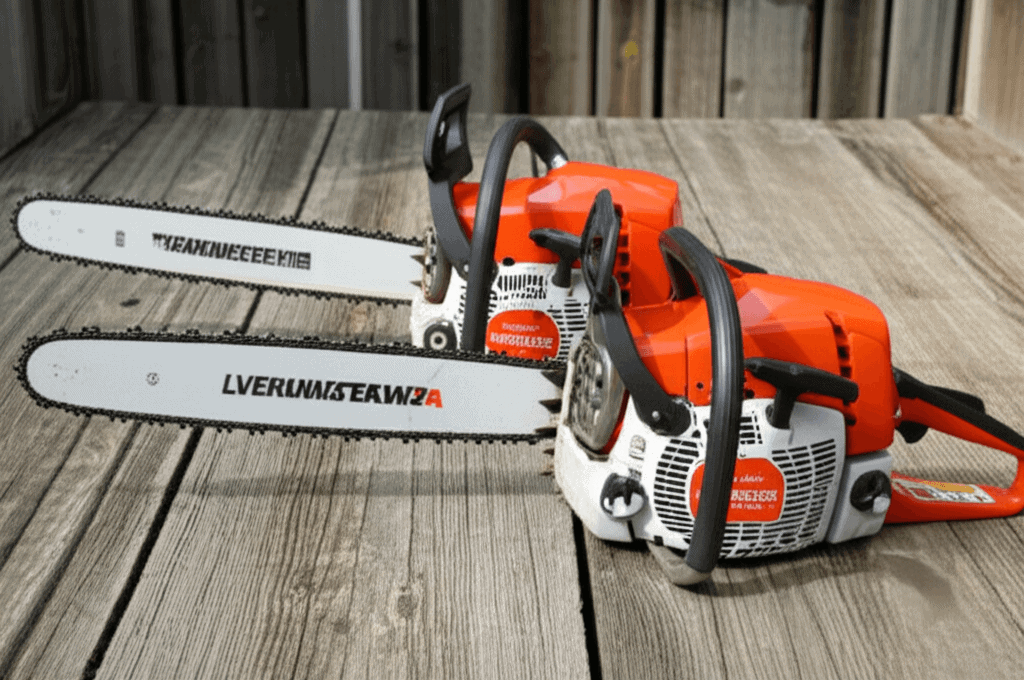
Searching for a chainsaw strong enough to handle nonstop heavy work means entry-level models fall short. High-end chainsaws deliver the power, torque, and speed to chop through thick logs, clear storm wreckage, and keep pros moving all day. This guide explains what makes a professional saw different from one made for casual use and offers smart tips to invest in the right tool. Serious cutting is coming up, so dive in to discover what makes a chainsaw built for the toughest jobs.
Whether you use a chainsaw for forestry work property maintenance or a weekend of firewood processing the right high end model reduces time at the bar and chain while improving performance and operator comfort. Read on for specific numbers to compare real world benefits examples of suitable models by task and a buying checklist you can use on the jobsite or at the store.
Why choose high end chainsaws with power for demanding tasks
A high end saw brings higher sustained power output and components sized for prolonged work. That matters when you cut large diameter logs or work in wet or frozen wood where a standard saw stalls or wears quickly. Think in terms of continuous torque chain speed and thermal handling when comparing premium models.
- Continuous torque means less hunting for the right throttle position while feeding the chain through thick wood.
- Higher chain speed
- Heavy duty cooling and materials extend service intervals and reduce the chance of expensive failures under load.
Key specifications to compare when shopping for high end chainsaws with power
Focus on engine or motor output bar length and chain specifications and final drive characteristics. Numbers tell a reliable story when you are weighing models.
Engine and motor characteristics
For gas models look at displacement in cubic centimeters and rated horsepower at typical operating RPM. High end gas saws commonly sit in the 50cc to 120cc class for professional forestry work. For battery saws compare nominal voltage and continuous power output. Modern pro battery platforms use 80V to 120V packs and list continuous watts of output for cutting duty. Higher nominal voltage usually translates to more sustained cutting power but also more weight and cost.
Bar length chain pitch and drive links
Bar length determines maximum log diameter you can cut without repositioning. Professional work commonly uses 20 inch bars and above. Chain pitch and drive link count affect cutting speed and replacement part choices. Typical professional chains use 3 8 inch or 0.325 inch pitch depending on the saw. Match replacement chains to the saws specification and choose high quality low vibration chains for frequent use.
Fuel options and runtime considerations for powerful high end saws
Choice of power source is a tradeoff between runtime weight and maintenance. Gas saws remain the go to for extended remote work where refueling is simple. Battery saws deliver quieter operation lower routine service and a simpler startup routine. Hybrid approaches pair high voltage battery saws with spare packs carried in the vehicle for continuous work without fuel storage.
- Gas saws can offer hours of run time on a single tank when used at moderate loads. Expect higher fuel consumption under continuous heavy cutting.
- Battery saws will give 20 to 40 minutes of cut time on one pack under heavy loads with high voltage systems extending that figure. Carrying spare packs is common practice.
- Tip for remote work: calculate typical cuts per day and size power source to match. A second tank or a pair of spare battery packs prevents mid job interruptions.
Safety and ergonomic features that matter with heavy duty saws
Heavy duty power requires thoughtful safety and comfort features. Look at chain brake design throttle response weight balance and vibration management. These features protect operators and reduce fatigue during long shifts or when cutting awkward angles.
Anti vibration systems and balance
High end saws often include multi point vibration damping between the handle and the engine block. That reduces fatigue and helps keep cuts steady as the day progresses. Balance speaks to how the saw feels when supported by both hands and when using a single handed technique for limbing. Test balance by lifting the saw at the center of the handle to feel its neutral point.
Chain brakes kickback reduction and guards
Modern pro saws use inertia activated chain brakes combined with quick acting manual guards. Look for saws with certified kickback protection and clear labeling for safe operation. Features such as anti kickback chains and scabbard storage for the bar add safety in transport and storage.
Maintenance expectations and long term ownership costs
High end saws require regular service but spread cost over longer intervals thanks to better components. Consider the frequency and cost of wear items such as chains bars and sprockets. Bearings and seals on premium models are typically easier to source from professional parts channels and many commercial packages include extended dealer support plans.
- Routine items include chain sharpening and tension checks after every few hours of use depending on wood type and grit from dirt or frozen sap.
- Consumables such as bars and sprockets last longer on premium saws due to heat treated materials and better lubrication systems.
- Tip track maintenance hours and set service intervals in a small logbook. Replacing a chain early often saves more time than trying to force a dull chain to work.
Top use cases where high end chainsaws with power make a real difference
Not every user needs a pro class saw. Here are practical scenarios where a high end model justifies the cost.
- Commercial forestry where daily throughput is measured in cords or tons and downtime is expensive.
- Storm cleanup for municipalities and utility crews where large diameter trees must be cleared quickly and safely.
- Firewood suppliers cutting varied wood sizes for customers where speed and low operating cost per cord matter.
- Property managers overseeing large estates with frequent heavy pruning and selective removal work.
Example scenario A three person crew using two high end gas saws can reduce a multi hour roadside cleanup to a single shift compared with lower powered models. The time saved often offsets the higher initial cost through reduced labor hours.
How to pick the right model within a higher price range and where to look
Start by listing the typical log diameters and the average continuous cutting time per day. Match engine or motor output and bar length to those needs. Try to handle the saw to judge balance and weight distribution and if possible request a short on site demo to feel chain speed under load. For a reliable comparison of selection across price brackets use a reputable review that groups contender models by performance and service options. One useful reference to review higher end choices and current market pricing is this list of best premium priced chainsaws which helps narrow options by build quality and features.
- Warranty and dealer support check warranty length and whether local dealers offer fast parts delivery.
- Spare parts availability matters more than brand prestige. Choose a model with common chain sizes and accessible drive sprockets.
- Compare total cost of ownership add the price of two spare chains one spare bar and a typical service interval to the purchase price to get a fuller picture.
Practical buying tips and on job handling suggestions
When buying keep a checklist to make the selection process objective. Put numbers on things like weight at full tank or with the battery installed chain speed at wide open throttle and the recommended service interval hours. Ask about trade in packages and whether the dealer can perform the first service for you at a discount. On the job pair your saw with a proper set of PPE and a small kit containing a spare chain a round file and a basic shop wrench for quick tune ups.
- Measure a typical log before buying to confirm bar length will work without constant repositioning.
- Practice with the chain brake and a cold saw to build familiarity before cutting under stress.
- Keep a sharpening schedule so each shift begins with a sharp chain.
High end chainsaws with power are a significant investment that pays off in speed longevity and lower downtime when matched to real work demands. Use the specification numbers and practical checks in this article to compare models and to choose a saw that fits the daily routine. If you are ready to move from a homeowner tool to a professional level saw take a few minutes to list your usual tasks and compare that list to the specs you see in store or online. Try handles and balance before you buy and prioritize features that reduce fatigue and speed maintenance.
Conclusion
Putting money into a high end chainsaw with power makes sense when your workload requires sustained cutting and minimal interruptions. In this article you saw how engine power bar length and build quality play direct roles in real world performance and long term costs. You also received specific maintenance and selection tips to help you choose a model that will last and perform through demanding seasons. Now take action start by identifying the typical log sizes you cut then use that data to narrow choices and test the best candidates in hand. If you follow the checks above you will choose a saw that pays back in time saved safer operation and a clearer maintenance plan. Make your next purchase deliberate and practical and you will have a tool that works hard and keeps working.