
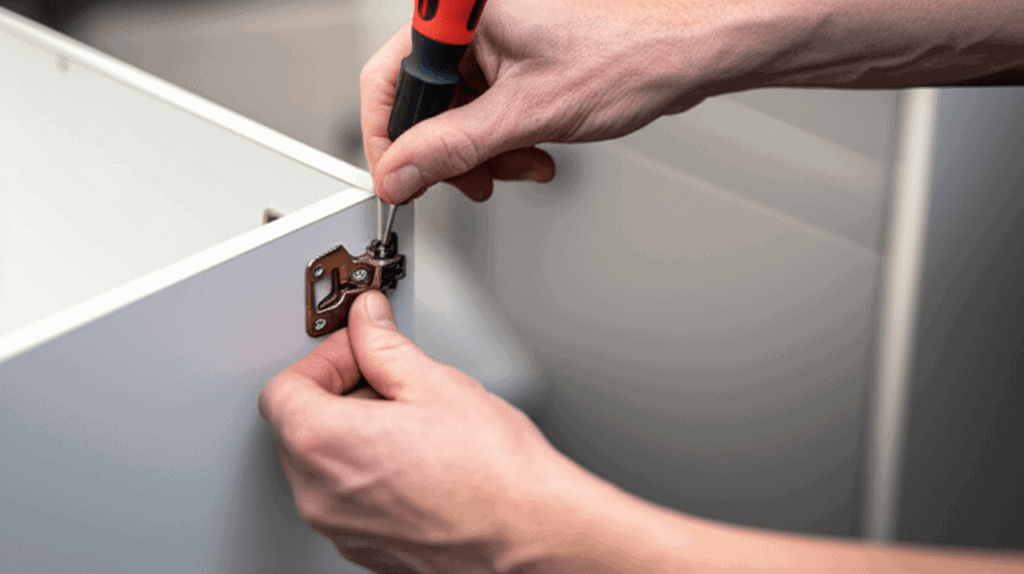
Keeping a house in great shape means more than just fixing stuff here and there. Having a solid plan and knowing exactly who to call when something breaks saves a ton of time and cash before small problems blow up into big messes. Lots of homeowners wrestle with balancing time, money, and making sure important home systems get regular care. Finding clever tricks to spot trouble early can protect your home and wallet, making your place safer and way comfier. This advice fits anyone looking to keep home upkeep easy and stress-free without spending a fortune. Dive in to learn secrets that turn home care into a smooth, almost fun, ride.
This article walks through practical steps to keep your property safe and functional. You will find clear priorities, realistic cost ranges, and actionable tips for vetting local service providers so maintenance feels manageable rather than overwhelming.
Why Reliable Help for Home Maintenance Matters for Every Homeowner
Home maintenance keeps systems working, reduces energy waste, and preserves resale value. Simple actions like changing air filters, clearing gutters, and checking seals can prevent water damage, reduce HVAC strain, and avoid mold growth. Data from industry sources show that regular upkeep often costs far less than emergency repairs. For example, addressing small roof leaks early typically costs a few hundred dollars while letting them worsen can cost thousands in structural and interior repairs.
Reliable help reduces stress for families with busy schedules. When homeowners have a list of trusted contractors and a seasonal checklist, they can schedule work during convenient windows and stagger expenses across the year. The result is a safer, more comfortable home that holds its value.
Common Home Maintenance Tasks to Prioritize and When to Do Them
Not all tasks carry the same urgency. Prioritize safety items first then move to efficiency and appearance projects. Below are practical categories and examples that help create a simple, effective plan.
Seasonal Tasks to Tackle
- Spring: Inspect roof for winter damage, clean gutters and downspouts, service the HVAC before summer peak.
- Summer: Test exterior drainage and irrigation systems, check for insect or pest entry points, inspect window and door seals.
- Fall: Flush hot water heater if sediment builds up, inspect chimneys and vents, winterize outdoor faucets.
- Winter: Monitor indoor humidity to prevent condensation, check ice dams on eaves, inspect attic insulation for consistent coverage.
Safety and Code Related Tasks
Smoke and CO detectors should be tested monthly with batteries replaced at least once a year. Electrical outlets that trip frequently and breakers that warm to the touch require immediate attention from a licensed electrician. Plumbing leaks and sewer odors should be addressed promptly to prevent structural damage and health risks.
How to Find Dependable Local Providers
Finding trustworthy contractors improves outcomes and reduces stress. Start with names from neighbors, community groups, and local trade organizations. Read recent reviews and look for patterns rather than a single glowing or critical comment. Ask providers for references and follow up with a quick call to prior clients.
For homeowners in and around Flower Mound, a focused local listing can speed the search. For example, a local service directory lists vetted options for common projects and quick repairs that match neighborhood expectations and building styles Flower Mound home services. When you contact a company, ask about licensing, insurance, and any published warranties for parts and labor.
When comparing estimates, look beyond the bottom line. A detailed written quote that lists materials, labor hours, and cleanup shows the contractor has thought through the job. If a quote seems unusually low, probe for missing items or a lack of permits, which can add costs later.
DIY or Hire a Pro How to Make the Call
Deciding between doing a job yourself or hiring a pro depends on skill level, risk, and the potential cost of mistakes. Use these simple rules of thumb.
- Do-it-yourself: Tasks like painting, caulking, replacing hardware, and routine filter changes are good DIY projects for most homeowners.
- Hire a professional: Electrical rewiring, structural repairs, major plumbing replacements, and work that requires permits should be handled by licensed tradespeople.
- When in doubt: A short paid consultation with a professional can save time and money. Many contractors offer a brief assessment for a reasonable fee that can be credited toward work if you proceed.
For example, replacing a door lock is usually an easy DIY task that costs under $100 for materials. By contrast, replacing a main water line can run into the thousands and affect landscaping, so hiring a plumber with excavation experience is the safer choice.
Building a Simple Maintenance Schedule You Will Follow
A schedule that is realistic and visible makes follow-through likely. Create a calendar with monthly, quarterly, and annual items. Use phone reminders or a printed checklist on the fridge. The goal is steady progress rather than perfect coverage in a single weekend.
Monthly and Quarterly Checklist
- Monthly: Test smoke detectors, inspect visible pipes for leaks, change HVAC filters.
- Quarterly: Run water through unused fixtures, test sump pump operation, clean range hood filters.
Annual Tasks Worth Budgeting For
- Professional HVAC tune up and refrigerant check.
- Roof inspection and minor repairs before storm season.
- Gutter cleaning and downspout verification.
- Inspecting attic insulation and ventilation.
Label each task with an estimated time and cost. For example, a DIY gutter clean might take a few hours and cost under $50 for tools and safety gear, while hiring a pro for the same job often costs between $100 and $300 depending on roof height and property layout.
Cost Estimates and Smart Budgeting for Repairs
Costs vary by region, home size, and materials, but a few ranges help set expectations. Minor repairs such as door hardware or caulking often fall under $200. Mid-range projects like water heater replacement or moderate roof patching commonly range from $700 to $2,500. Major replacements such as a full roof, new HVAC system, or foundation repair can cost several thousand to tens of thousands of dollars.
To prepare financially, create a home maintenance fund that holds a percentage of monthly income or a fixed amount based on home age. Many experts suggest saving 1 to 3 percent of your home value annually for ongoing maintenance. For a $300,000 house that equates to $3,000 to $9,000 per year. If that sounds high, start smaller and grow the fund over time. The key is consistent contributions so unexpected repairs do not derail your monthly budget.
Another practical tip is to bundle work when possible. If multiple tradespeople need access to the same area, scheduling jobs back to back can reduce overall labor costs. Also request itemized invoices so tax deductible repairs and warranty items are easy to track.
Practical Tips That Save Time and Money
Small habits produce large dividends. Install drip pans with float switches under water heaters if you have a basement. Use a water leak detector in areas prone to slow drips. Keep a record of warranties and service dates in a single folder or digital file. These simple steps speed repairs and support warranty claims.
Document work with photos before and after, and keep receipts. When you sell the house, a well-documented maintenance history reassures buyers and may support a higher sale price. Finally, choose materials that match your climate. In humid areas, choose rot resistant trim and breathable wall assemblies to reduce long term repair costs.
Reliable Help for Home Maintenance is about steady attention, informed choices, and having a short list of trusted providers. Start by creating a simple schedule, building a modest maintenance fund, and identifying local professionals for tasks beyond your comfort level. When you have a plan, maintenance becomes manageable and less expensive in the long run. Take a few minutes this week to list the three highest priority tasks for your home and contact a local provider for estimates if needed. A little forward planning goes a long way toward keeping systems working and your household running smoothly.