
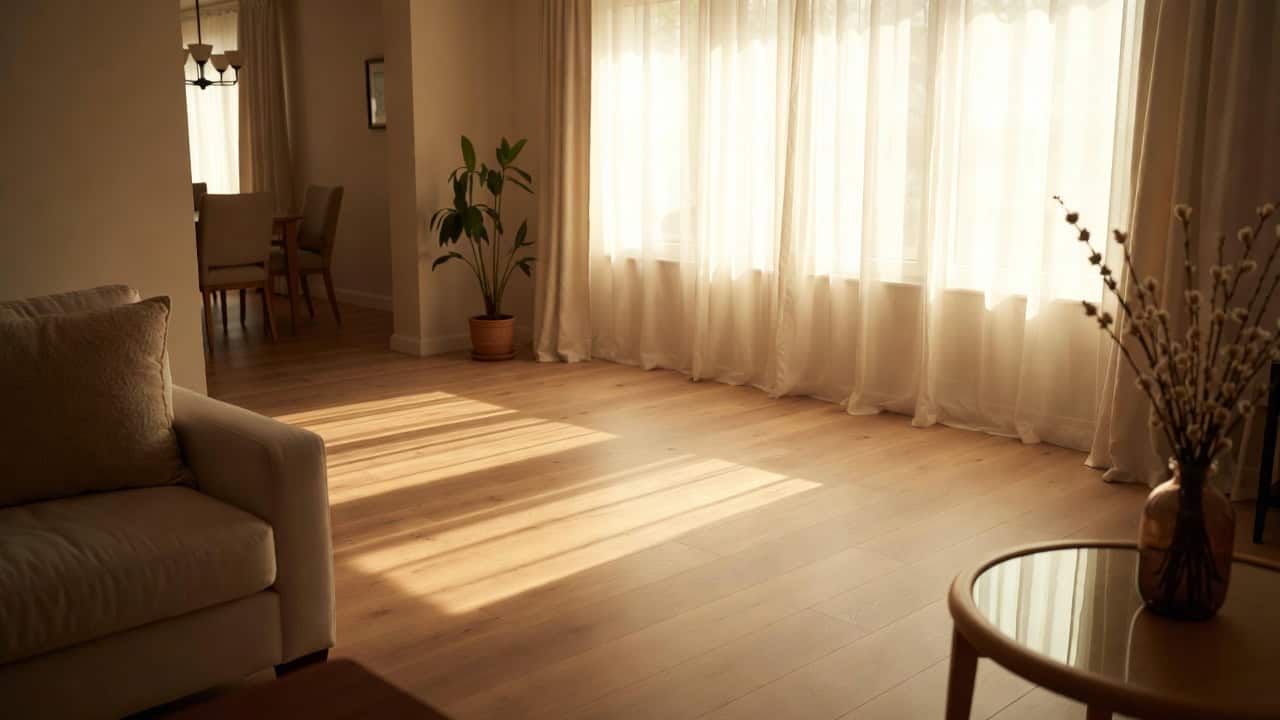
Below you will find straightforward explanations of species choices finish types and upkeep needs plus real world examples and tips for decision making. I will also point out when it makes sense to hire professionals and where a DIY approach can work. Read on to see whether hardwood flooring is the right option for your home and which questions to ask before you buy.
What hardwood flooring means and common species to consider
Hardwood flooring refers to planks milled from solid wood or veneers built on plywood or high density cores. Two main categories appear in the market. Solid hardwood is made from a single piece of wood and can be sanded and refinished many times. Engineered hardwood uses a top wear layer of real wood over a multi layer core which gives greater resistance to moisture movement.
Popular species and the traits homeowners look for include
- Oak Known for its grain and durability. Oak works with most finishes and stains and is widely available.
- Maple Has a tighter grain and a lighter natural tone. It hides nail holes well and gives a modern feel.
- Hickory Offers high hardness and dramatic color variation. Good for rustic looks in high traffic areas.
- Walnut Dark and elegant wood that shows wear more visibly but offers a rich character.
Species choice affects color and grain plus the floor life. Janka hardness ratings provide a numeric reference for how well a species stands up to dents and scratches. When you want a long lasting surface pick a species with a higher rating and a finish that matches how the room will be used.
Benefits of hardwood flooring for homes
Hardwood brings several practical advantages that go beyond looks. For many households the long term value and adaptability of hardwood make it a worthwhile investment. Specific benefits include
- Durability Properly finished hardwood withstands foot traffic and can be repaired with sanding and refinishing when necessary.
- Air quality Unlike soft flooring types hardwood does not trap dust and allergens which helps with indoor cleanliness.
- Resale value Buyers often prefer hardwood which can make a home more attractive on the market.
- Visual flexibility A stained or finished hardwood floor can fit traditional or current decor, and refinishing updates the look without full replacement.
For example if a family room sees heavy daily use a harder wood species combined with a durable finish can look good for years. If a bedroom sees minimal traffic a softer tone and lighter finish will be comfortable and cost less upfront.
Key considerations before choosing hardwood flooring
Selecting the right hardwood involves matching the installation method finish and thickness to the room and lifestyle. Think through these elements before you buy.
Climate and humidity matters
Wood reacts to moisture and temperature. In areas with seasonal humidity swings solid hardwood can expand and contract which causes gaps or cupping if not installed with the right allowance. Engineered hardwood often performs better in basements and rooms with higher moisture levels because its layered core resists movement better.
Subfloor and installation surface
The condition of the subfloor determines which installation methods work. Nail down installations require a solid wood subfloor while glued or floating floors can work over concrete with proper underlayment. If you plan to install over radiant heat select products rated for that use and follow manufacturer guidelines for acclimation and adhesive selection.
Tip: Always let hardwood acclimate in the room for at least 72 hours so it settles to local temperature and humidity before installation.
Maintenance routines and durability expectations
Hardwood needs a reliable maintenance plan to keep it looking its best. Basic care routines are simple but must be consistent. Here are practical maintenance tasks and realistic lifespan expectations.
- Daily and weekly care Use a soft broom or a vacuum with a floor attachment to remove grit. Wipe up spills quickly with a dry or slightly damp cloth.
- Finish maintenance Surface finishes last depending on traffic and finish type. Oil based and polyurethane finishes behave differently, and a factory finished plank may require less early maintenance.
- Refinishing cycles Solid hardwood can be sanded and refinished multiple times. Depending on thickness and wear expect to refinish every 10 to 20 years in a busy home. Engineered planks with a thin wear layer may be refinished only once or not at all.
- Spot repairs Small scratches and dents can be repaired with touch up kits. For deeper damage a local board replacement may be necessary.
Example: A couple with pets and kids might choose a harder species and a tough finish. They should plan for more frequent refinishing or surface repair than a homeowner with a formal dining room used less often.
Costs and long term value considerations
Upfront costs vary widely based on species finish and whether installation is hired out. Expect to compare product cost plus installation plus underlayment and trim when budgeting. Here are cost factors and long term value points to consider.
- Material price ranges Entry level hardwood tends to cost less per square foot while exotic species and wider plank widths increase price.
- Installation cost Professional installation adds labor and often pays off in fit and finish, especially in rooms that require subfloor prep or complex patterns.
- Lifecycle cost When you count refinishing and repair cycles a well chosen hardwood will frequently cost less over time than repeatedly replacing lower cost surface materials.
- Return on investment Many sellers report higher market interest in homes with hardwood. That effect depends on local market trends and how well the floor fits the home style.
Tip: Get three quotes that include details about site preparation waste allowance and finishing. This comparison helps you see where money is going and how choices affect the final price.
Installation options and when to hire professionals
Installation approaches include nail down glue down and floating systems. Each method has trade offs depending on the subfloor and expected use of the room. For example nail down works well on wood subfloors but is not suitable for concrete slabs where glue or floating methods are better.
Hiring a pro makes sense when the job includes tricky layouts uneven subfloors or stair work. Professionals can also advise on acclimation time proper adhesives and whether trim or transitions need replacement to match the new floor.
If you want a reliable how to guide on selecting options and details about what to look for in specific hardwood products consider this resource from a local service provider Handyman Connection which walks through common choices and practical points to compare.
When DIY makes sense
Floating engineered floors with click lock profiles are often within reach of homeowners who have moderate DIY experience. Simple rooms with square layouts and proper underlayment present fewer surprises. Always follow manufacturer instructions for subfloor prep and expansion gaps.
When to call a specialist
Call a professional for stairs complex transitions custom inlays or work over radiant heat. Also seek help if moisture testing shows elevated readings or if the subfloor requires leveling. Errors in these situations can lead to expensive repairs down the line.
How hardwood compares to alternative flooring choices
It helps to weigh hardwood against engineered wood laminate and luxury vinyl so you can match features to needs. Quick comparisons include
- Engineered wood Looks like solid hardwood but handles moisture better. It is a good choice for basements kitchens and over concrete slabs if real wood visuals matter.
- Laminate Provides many wood like appearances at lower cost. Laminate resists scratches but the surface cannot be sanded to change color or remove deep damage.
- Luxury vinyl plank Offers high water resistance and durability. It is softer underfoot and less likely to show dents. Vinyl performs well in bathrooms kitchens and wet climates.
Example: If you need a floor for a mudroom that will see wet boots and heavy wear vinyl or a waterproof engineered product may be the practical choice. If the living room is the priority and resale is a concern hardwood often fits the bill better.
Final checks before you buy
Before you make a final purchase measure the room twice and factor in waste for cuts and pattern alignment. Request samples and place them in the room to see how natural light affects color. Check warranty terms for wear layer thickness and what actions void coverage. Ask the seller about acclimation guidance and recommended installers.
Tip list for a smoother project
- Inspect samples in the actual room at different times of day
- Confirm the wear layer thickness if you want the option to refinish
- Verify that the product is rated for use over radiant heat if necessary
- Budget for underlayment trim and possible subfloor repairs
These small checks reduce surprises and help the installation go faster.
Conclusion
Choosing whether hardwood flooring is right for your home comes down to matching the material traits to your lifestyle budget and the room environment. Hardwood offers long life and a natural look that many homeowners value. Engineered options give a middle ground for moisture prone rooms and vinyl or laminate may be smarter where water resistance and lower upfront cost are priorities.
Think about species and finish in relation to foot traffic and pets. Plan for regular maintenance and anticipate refinishing cycles if you want the floor to last for decades. Compare installation methods and be honest about when to hire a professional to avoid costly mistakes. If you want a clear comparison of common product options and practical selection tips use the linked article above for a helpful checklist. When you are ready gather samples measure carefully and get multiple estimates so the end result fits your design goals and daily routines. If you have questions about specific species finishes or installation choices reach out to a local flooring expert or contractor for an on site assessment and a tailored plan.