
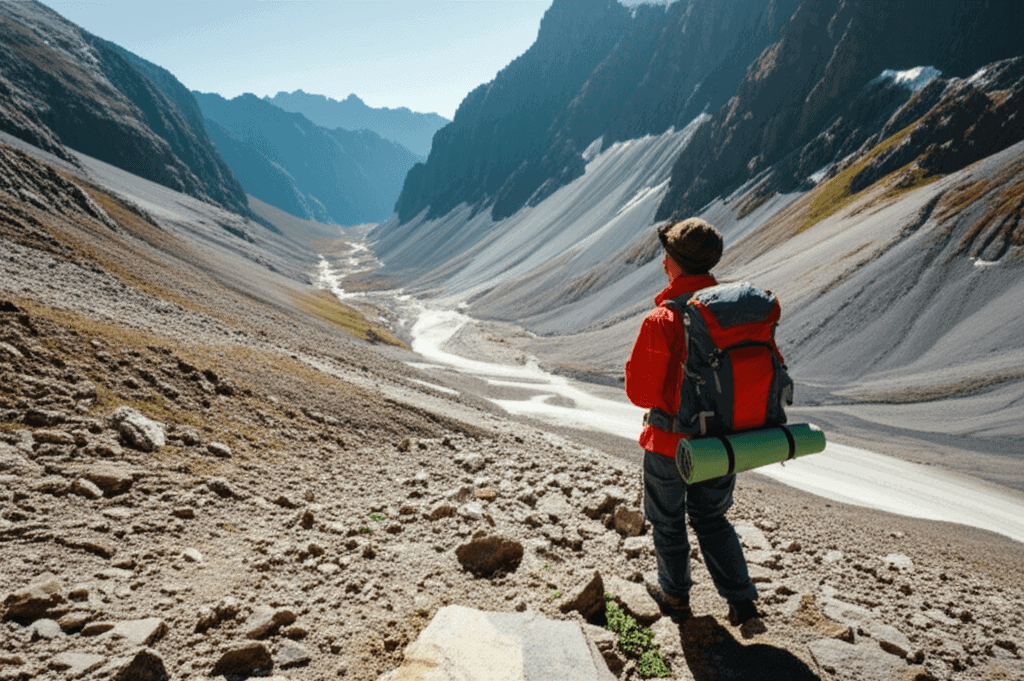
Heading out into the wild feels like taking a big, fresh breath far from the noise and rush.
But watch out—hidden dangers hide in plain sight.
This guide shows easy, real-life tips to help stay safe and tackle any trouble that jumps out on a calm trail.
Knowing these tricks can flip a scary moment into a cool story to tell later.
If adventure excites you but surprises make you jumpy, keep reading—you’ll discover how to make every trip safer and way more thrilling.
If you plan to go into isolated regions with limited services and cell coverage read the sections that follow for equipment checklists common mistakes and field examples. The goal is to help you leave with clear priorities so the trip is memorable for the right reasons.
Plan Your Route and Communication Before You Go
Good planning starts with a simple question which roads and trails provide the safest access to your objectives. Check recent trail reports and local ranger stations for closures hazards and water sources. Look at topographic maps to identify alternate exit points and possible bail out routes in case of injury or severe weather.
Arrange a communications plan that fits the level of remoteness. For low remoteness a parked car with a written itinerary and regular check in calls may work. For high remoteness consider a personal locator beacon or a satellite messenger. These devices transmit GPS coordinates to emergency services when activated and can be a lifesaver in areas without cell service.
Use maps and digital tools wisely
Download offline maps to your phone and carry a paper map as backup. Learn to read contour lines and recognize terrain features that can slow travel such as cliffs dense brush or marshes. Mark water sources campsites and potential hazards on both digital and paper maps so you can compare them in the field.
Leave a detailed plan with someone reliable
Provide a trusted contact with the following items your intended route expected daily mileage planned camp locations and a return date. If you change plans update that person immediately. Emergency services often rely on the information given by that contact when time is critical.
Essential Gear for Remote Backcountry Safety
Packing decisions in remote terrain should prioritize survival essentials. Think of three layers gear that keeps you moving shelter from exposure and the ability to call for help. Items listed below are tailored for multi day trips into isolated areas.
- Shelter lightweight tent or bivy sack and a sleeping bag rated for likely night temperatures
- Fire and light waterproof matches lighter and a small stove plus headlamp with spare batteries
- Signaling whistle signal mirror and a brightly colored tarp or bivy for visibility
- Navigation and route finding tools map compass and offline GPS app or standalone GPS unit
- Water treatment tablet drops a reliable filter and container that matches capacity needs
- Food high calorie meals with extra days of food for delays
- Repair kit duct tape multi tool cord and spare parts for critical gear
Weight matters but trimming gear should not cut into the items above. A small additional weight for a reliable communication device can be well worth it when miles from help.
Health First Aid and Hydration Management
Manage common injuries and illness with training a thoughtful kit and clear decision rules. Minor wounds can become serious if left untreated in the field and dehydration or hypothermia can progress rapidly in remote places.
Build a first aid kit that matches your route and skills
Include items for wound cleaning sterile dressings blister treatment a triangular bandage and a staple suture kit if you and your group are trained to use it. Add medications such as pain relief antihistamine and any prescription drugs that travelers need. Practice basic wound care at home so you can work calmly under stress.
Hydration planning
Estimate daily water needs factoring temperature effort and altitude. Carry a primary container and a backup. Know the local water quality and pack treatment compatible with likely contaminants. In alpine terrain a filter may be ideal while in lower elevation areas chemical treatment may be more practical. Always plan for an extra day of water in case of delays.
Wildlife Weather and Terrain Awareness
Wildlife encounters vary by region and season. Learn the behavior of animals you may meet and adopt strategies that reduce conflict. Store food in approved containers keep a clean camp and give wildlife wide berth. For large predators know how to react and practice that response with your group before the trip.
Weather can change quickly in mountains and coastal ranges. Study typical seasonal patterns and look at short term forecasts the day before departure and again at a safe check point on the route. Carry clothing that lets you layer for warmth wind and rain and plan campsites that offer some shelter from prevailing conditions.
Group Travel Versus Solo Travel Decision Making
Group travel adds redundancy in skills and gear but also raises complexity in decision making. Solo travel requires greater conservatism in route selection and contingency planning. Choose the option that matches experience level fitness and the ability to self manage mishaps.
When traveling with others agree on critical decisions before they arise. Define a pace that is sustainable for the slowest member set a turnaround time for the highest point and establish a clear rule about staying together after dark. These simple agreements reduce conflict and support safer outcomes.
Emergency Signals and Rescue Protocols
Carry methods to signal rescuers and practice them at home. Three blasts on a whistle three mirror flashes or a ground to air signal layout of brightly colored gear are common accepted methods. Know the local search and rescue response procedures and how long waits can be expected.
Activate life saving devices only in real emergencies. If you use a satellite messaging device learn how to send clear short messages that include your location visible hazards and number of injured people. This increases the efficiency of any response team and reduces time on scene.
Mental Preparedness and Physical Conditioning for Remote Treks
Confidence in the field grows from realistic preparation. Fitness should match the planned daily mileage elevation gain and pack weight. Build fitness progressively with hikes that mimic trail conditions and pack weight you expect to carry. Include training that prepares you for balance challenges steep descents and long days.
Mental preparation includes rehearsing what to do when plans change. Role play scenarios such as a sprained ankle sudden storm or an unexpected route closure. People who have practiced these responses stay calmer and solve problems more effectively when stress levels rise.
Practical Examples and Real World Tips
Example one a two day trip in high country. Plan for cold nights even in summer and expect a slower pace above tree line. Carry extra insulation for nighttime use and plan camps close to reliable water sources. Example two a desert crossing. Shade and timing matter. Travel early morning and late afternoon limit midday exertion and carry spare water in sealed containers to avoid contamination.
Test new gear on short trips before relying on it in remote settings. A new stove or water filter that fails in a remote location can change the outcome of your trip. Pack familiar staples that you have used successfully in training hikes and carry spare parts for items that are critical to safety.
There are many resources that explain regional risks and recommended gear for remote travel. For a practical safety checklist and tips tailored to remote settings refer to this linked resource Go Backpacking which covers trip planning equipment choices and emergency communication options. Use that information to cross check your planning list and to spark questions to ask rangers or local outfitters before departure.
Conclusion
Traveling in distant wilderness requires planning focus and respect for natural hazards. The steps in this guide provide a foundation to reduce risk from the moment you pick a route until you return home. Key priorities plan a clear route and backup exit points carry a compact set of proven safety gear manage water and first aid effectively practice group decision making and prepare physically and mentally for the trip. Test equipment on short outings confirm that communication devices reach their intended networks and review local advice before each trip. If you follow the suggestions here you will increase the odds of a safe enjoyable journey and give yourself and those who care about you greater confidence on the trail. Take one step now review your current packing list and update it using the sections above set a firm check in plan with a reliable contact and schedule a skills refresher such as a wilderness first aid course. Make a plan and then get out there responsibly with the goal of coming home ready to plan your next trip.